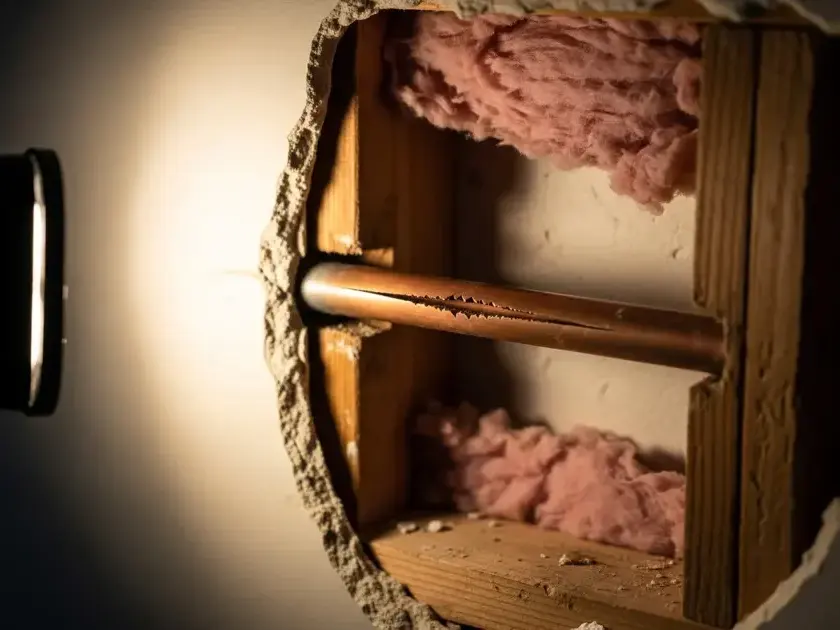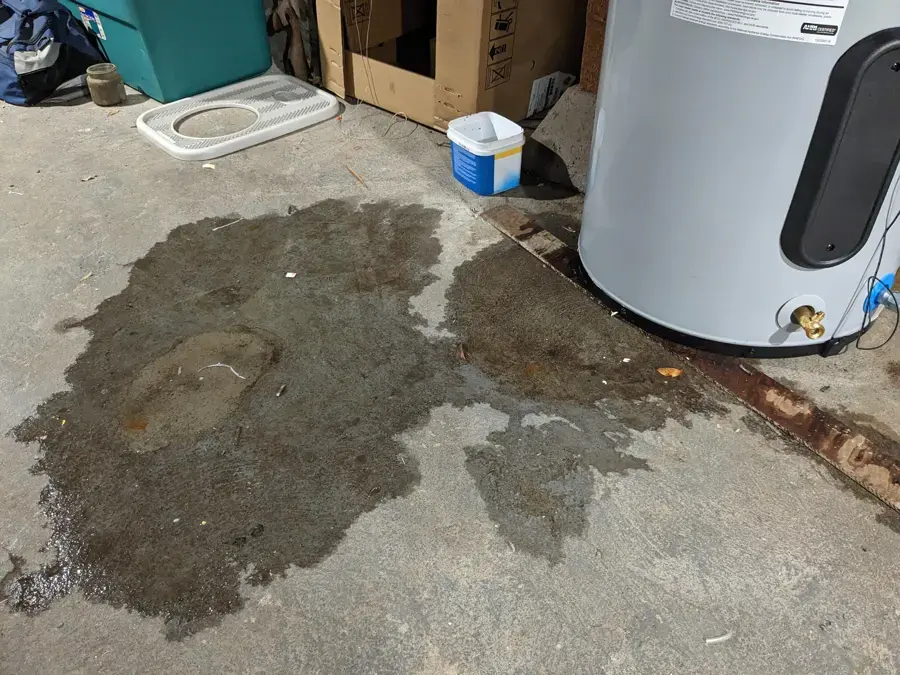
Largo is a slab town. Most homes from its big growth years are concrete block on a concrete slab, with copper supply pipe running under the floor and cast iron drains below that. When one of those pipes leaks, water rises through the slab and spreads under the floor covering long before a puddle shows.
Signs of a slab leak
- A warm spot on tile from a leaking hot water pipe
- Loose or hollow-sounding tiles, or cracked grout
- Damp carpet or swollen baseboard with no plumbing above it
- The water meter turning with every fixture off
- A higher water bill with no change in use
How slab leak damage is dried
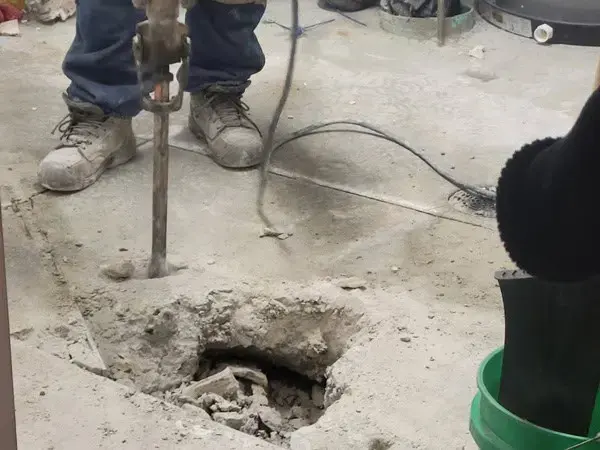
A leak detection plumber locates and repairs the pipe, sometimes by opening the slab and sometimes by rerouting the line through the walls or attic. The restoration side starts with a moisture map of the floor and lower walls.
- Thermal imaging and meters to trace how far water moved under the floor
- Removal of swollen baseboard, wet carpet pad and laminate that cannot dry
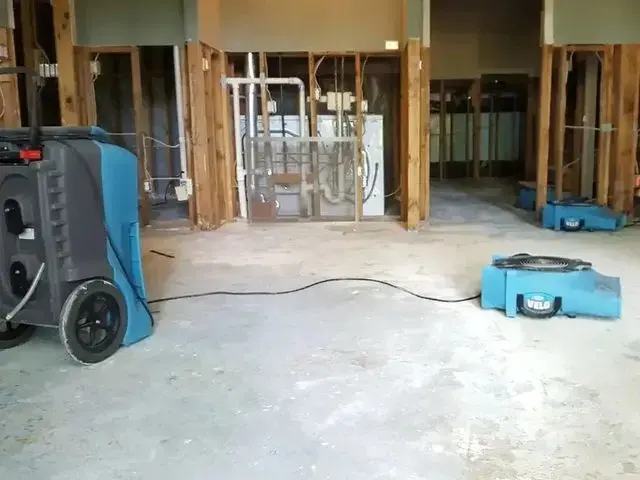
- Drying mats and directed air on tile and slab where the covering stays
- LGR dehumidifiers and daily readings until the slab and walls read dry
Terrazzo and tile that is still firmly set often stay in place. Laminate, engineered wood and vinyl plank usually trap water and come up. Concrete dries slowly, so the drying-time estimator helps set expectations.
Cast iron is a separate problem
A cracked cast iron drain under the slab leaks wastewater, not clean water. That is Category 3 and follows sewage backup protocol.
Checking your own home
Try the pipe age and leak risk check if your home dates from the 1960s to the 1990s. The EPA WaterSense meter test confirms whether water is running somewhere hidden, and UF/IFAS Extension publishes Florida home moisture research.