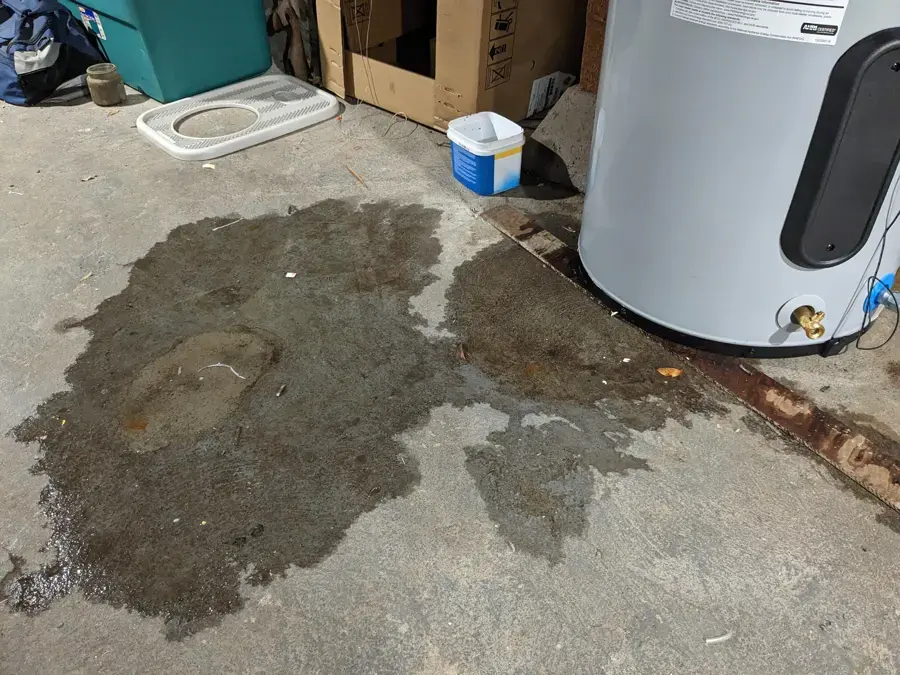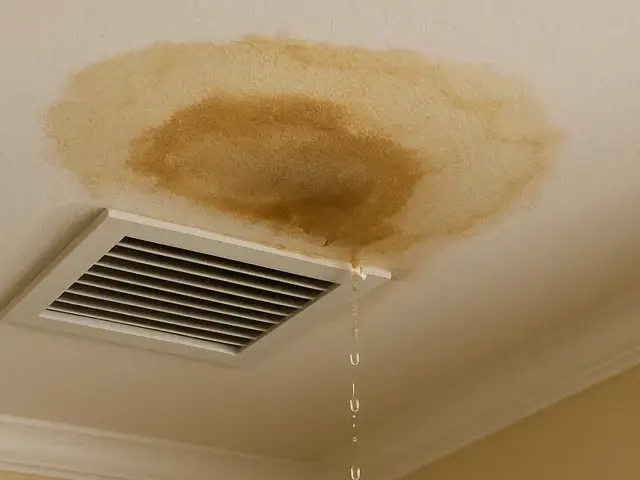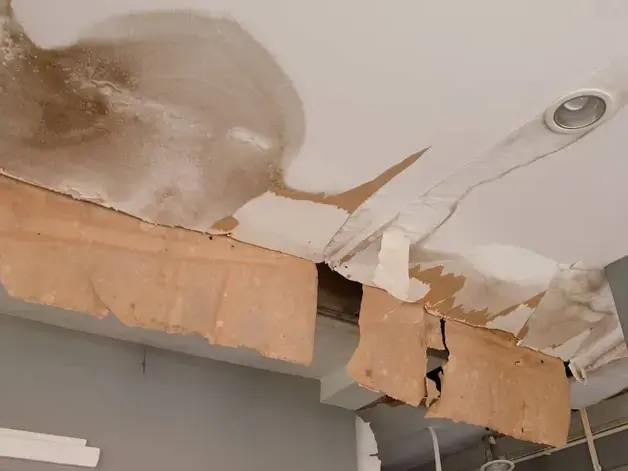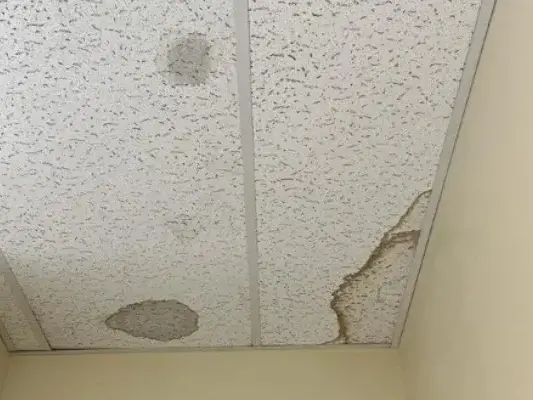
Largo has many condo and villa communities, a lot of them built in the 1970s and 1980s and home to retirees and seasonal owners. When a water heater, AC drain or supply line fails in one unit, water moves through the floor into the unit below and sometimes sideways into a neighbor. Units left empty for the summer can leak for days before anyone notices.
How condo leaks spread
- Water heaters in interior closets leaking into the unit below
- AC condensate lines backing up in closets and ceilings
- Toilet, tub and washer lines failing over a finished ceiling
- Common pipes in walls shared between units
How a multi-unit loss is handled
The response team starts at the source unit and follows the water down and across. Each affected unit gets its own moisture map, photos and drying log, because each owner and the association may deal with a different carrier.
- Extraction in every affected unit
- Ceiling drying or controlled removal in the unit below
- Wall cavity drying along shared walls
- Separate daily logs for each unit
Condo documents and Florida law split responsibility between unit owners and the association in ways that vary by building. The Florida DBPR condominium division publishes owner information. Ceilings follow the ceiling leak process.
Tell the association early
Most associations want to know about a leak right away, and they may need to shut a riser or give access to a neighboring unit.
Seasonal owners
If a unit sits empty for the summer, turning off the water main and keeping the AC and a dehumidifier running reduces risk. Hurricane season rules are posted at pinellas.gov.