Rubber washer hoses, plastic ice maker tubing and braided sink supplies are some of the most common water losses in any Largo home. They sit behind appliances and inside cabinets, so a slow drip can soak a subfloor or a cabinet base for weeks, and a burst hose can flood a laundry room and hallway in an afternoon.
What fails, and what it damages
- Rubber washing machine fill hoses that bulge and split with age
- Dishwasher supply and drain connections under the sink
- Refrigerator ice maker lines crushed behind the fridge
- Sink and toilet supply lines with corroded nuts
Washer drain water and dishwasher water are Category 2 because they carry soap, food and residue. Clean supply water is Category 1 at the start.
How the cleanup is handled
The tech who does the walkthrough checks the cabinet bases, the toe kicks and the floor under the appliances with meters, because water pools where you cannot see it.
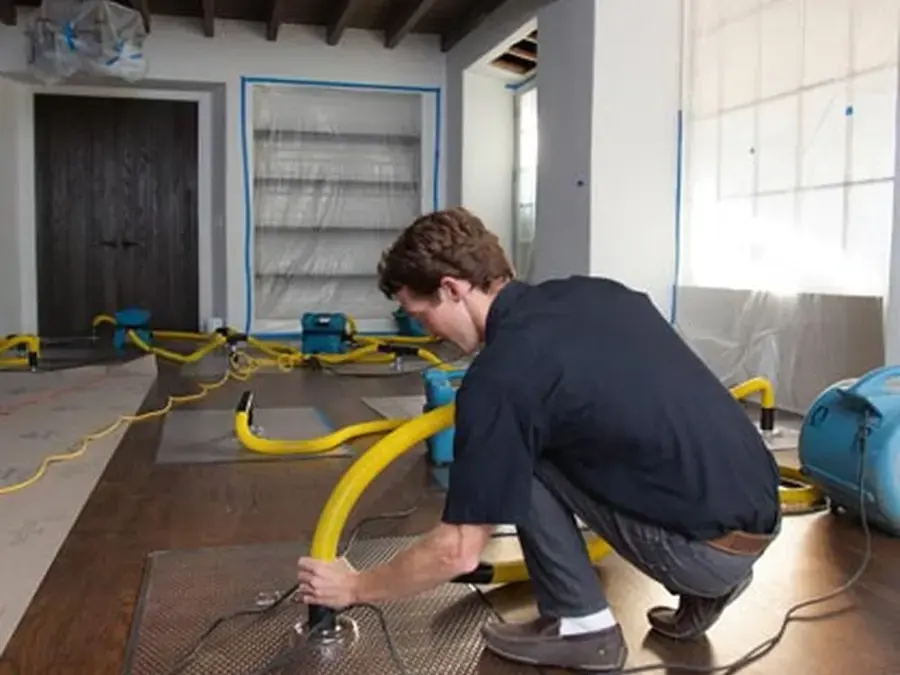
- Appliances pulled out so the floor and wall behind them can be reached
- Toe kicks removed to vent the space under cabinets
- Air injected under cabinets and into wall cavities
- Laminate or vinyl plank lifted where it traps water on the slab
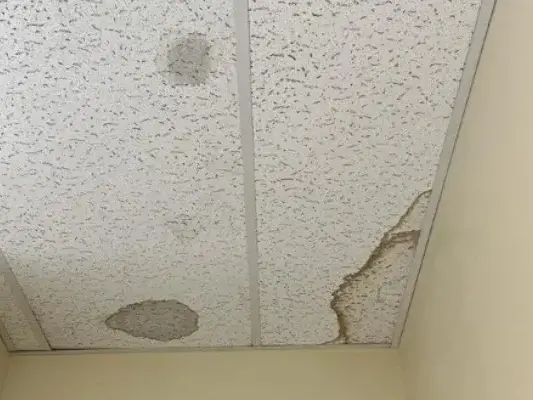
Kitchen losses often reach the room beside the kitchen or, in a condo, the ceiling below. The drying plan follows the water, not the room name. See structural drying for how dry is measured.
Swap rubber hoses for braided ones
Stainless braided washer hoses and a shutoff you can reach cut the risk. Many owners also add a small leak alarm behind the washer and under the kitchen sink.
Useful references
The EPA WaterSense leak checks help find slow leaks, and the U.S. Consumer Product Safety Commission lists appliance recalls, including water line parts.